Economic outlook for sub-Saharan Africa in 2026

The subcontinent is ready for infrastructure, development, investment, and trade growth.
Across global markets, there is a growing conviction that sub-Saharan Africa is entering a new era of economic growth and structural transformation. From forecasts of improved gross domestic product (GDP) growth to rapid shifts in global trade, the region is increasingly seen as one of the world's most promising emerging markets. This momentum is further supported by significant foreign direct investment (FDI) flows from China, the Middle East, and global institutional investors – a sign of strengthening confidence in economic development across the region.
This optimism is emerging in a world undergoing intense geopolitical volatility. Even so, the actions of major corporations – for instance, Nedbank's proposed 2026 acquisition of a 66% stake in NCBA in East Africa – underscore a deep belief in Africa's positive long-term trajectory.
International Monetary Fund and World Bank outlook
Forecasts from the most authoritative global institutions point to a resilient, accelerating economic upturn. The International Monetary Fund (IMF) World Economic Outlook for October 2025 projected sub-Saharan Africa's GDP growth at 4.1% in 2025, expecting it to pick up further through 2026, supported by macroeconomic stabilisation and ongoing reform efforts across the region. The World Bank's 2025 regional highlights report similarly predicted growth firming to 4.3% in 2026, noting especially strong performance among economies outside the region's 2 largest markets, South Africa and Nigeria.
The IMF's 2025 update pointed out that sub-Saharan Africa is expected to grow faster than the global GDP average, making some nations in the region contenders to be the fastest-growing economies in the world. This reflects a pattern of robust economic expansion, even amid global inflationary pressures, debt vulnerabilities, and commodity market volatility.
These growth projections are underpinned by real economic development across the region, which increases output, structural diversification and beneficiation, resilience to external shocks, and the strength of policy frameworks.
Geopolitics reshapes trade and investment
Historically, sub-Saharan Africa has been sidelined on the geopolitical playing field, but this is also changing. Today's geopolitics are marked by trade tensions, tariff realignments, conflicts, and shifting alliances.
The US–Israel war in Iran, if extended, would worsen the macroeconomic environment as high oil prices and supply chain disruptions constrain global trade, particularly through the key oil shipping channel, the Strait of Hormuz. The IMF has also noted that global tariff shifts, especially between the US, China, and Europe, have already reshaped supply chains and influenced growth patterns across sub-Saharan countries.
Belief in Africa's economic future is not theoretical – it is already being backed by capital, strategy, and long-term commitment
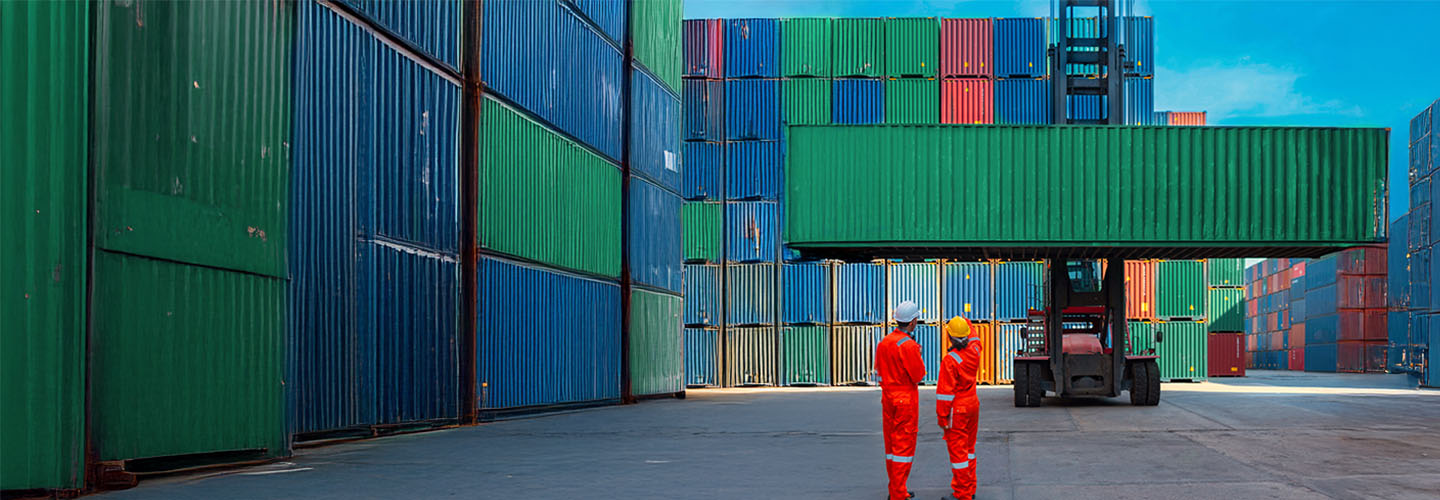
This realignment has included a reshaping of international trade and investment flows. China is redirecting investment away from traditional partners and expanding further into Africa, Latin America, and the Middle East. The Middle East also continues to invest aggressively across Africa – in sectors ranging from renewable energy to logistics and infrastructure – as it seeks strategic trade corridors that link Africa to Asia.
These investment flows go beyond mere resource extraction – they now span logistics, digital infrastructure, renewable energy, finance, and advanced manufacturing. This evolution is central to Africa's long-term socioeconomic development and structural transformation. The bottom line of these shifts is growing recognition that sub-Saharan Africa is pivotal to the next chapter of global economic architecture.
South African economic growth
As the region's most industrialised economy, South Africa plays a pivotal role in shaping broader regional momentum. Despite ongoing structural constraints, the country has shown modest progress. The World Bank reported that South Africa's GDP grew by around 1.1% in 2024, supported by improved electricity supply and easing inflation. Further IMF projections indicated growth of 1.0% for 2025, rising to 1.3% in 2026 – modest but steady macroeconomic expansion.
South Africa's improvements, particularly in energy supply and infrastructure reforms, serve as crucial catalysts for improving investor sentiment, regional financial stability, and broader economic acceleration across sub-Saharan Africa. An important indicator of South Africa's role is Nedbank's offer to acquire a majority stake in the NCBA Group, one of East Africa's largest and most digitally advanced financial institutions.
The proposed acquisition reflects Nedbank's belief in the long-term economic prospects of East Africa. NCBA serves more than 60 million clients across Kenya, Uganda, Tanzania, Rwanda, Ghana, and the Ivory Coast, making it one of Africa's most influential banking networks. The offer signals strong institutional belief in Africa's growth trajectory at a time when global investors are reassessing risk portfolios.
Is this sub-Saharan Africa's moment?
Improving macroeconomic fundamentals, strong demographic trends, rising intra-African trade, and deepening global investment flows all position sub-Saharan Africa as a compelling engine of future global growth. With GDP growth rates consistently outpacing global averages and structural transformation under way, the region is being reassessed in global market trading and international investment strategies.
Corporate and governmental belief in Africa's economic future is not theoretical – it is already being backed by capital, strategy, and long-term commitment. While challenges persist, these underlying fundamentals suggest a steady move towards greater prosperity, deeper economic integration, and stronger global influence.
Explore Nedbank's sectoral and international investment strategies.