Affordable steps to manage solar conversion costs

With research and planning, you can build a more reliable electricity supply in stages.
Solar PV power is a growing industry in South Africa, as electricity users search for a more reliable power supply for their homes and businesses. Fortunately, load-shedding is less common than it used to be, but it remains a constant possibility whenever Eskom loses generating capacity. At local government level, power outages are still a regular inconvenience in areas where the municipal authority is unable to maintain the electrical infrastructure.
However, you might be shocked when you look into investing in a full solar conversion for your home or business. Make no mistake, converting your home completely to solar power is a serious financial commitment – depending on the size of your household, your standard of living, the number of appliances you plan to run at the same time, and your energy use habits, you could be looking at costs of R360,000 or more.
But don’t let this discourage you from exploring solar power solutions. Firstly, by changing your appliances or consumption habits, you can reduce the peak power your system must provide and your total power consumption – which will reduce the size of the solar installation you need. Secondly, you can install an alternative power supply in affordable stages.
Investigate energy efficiency before you go solar
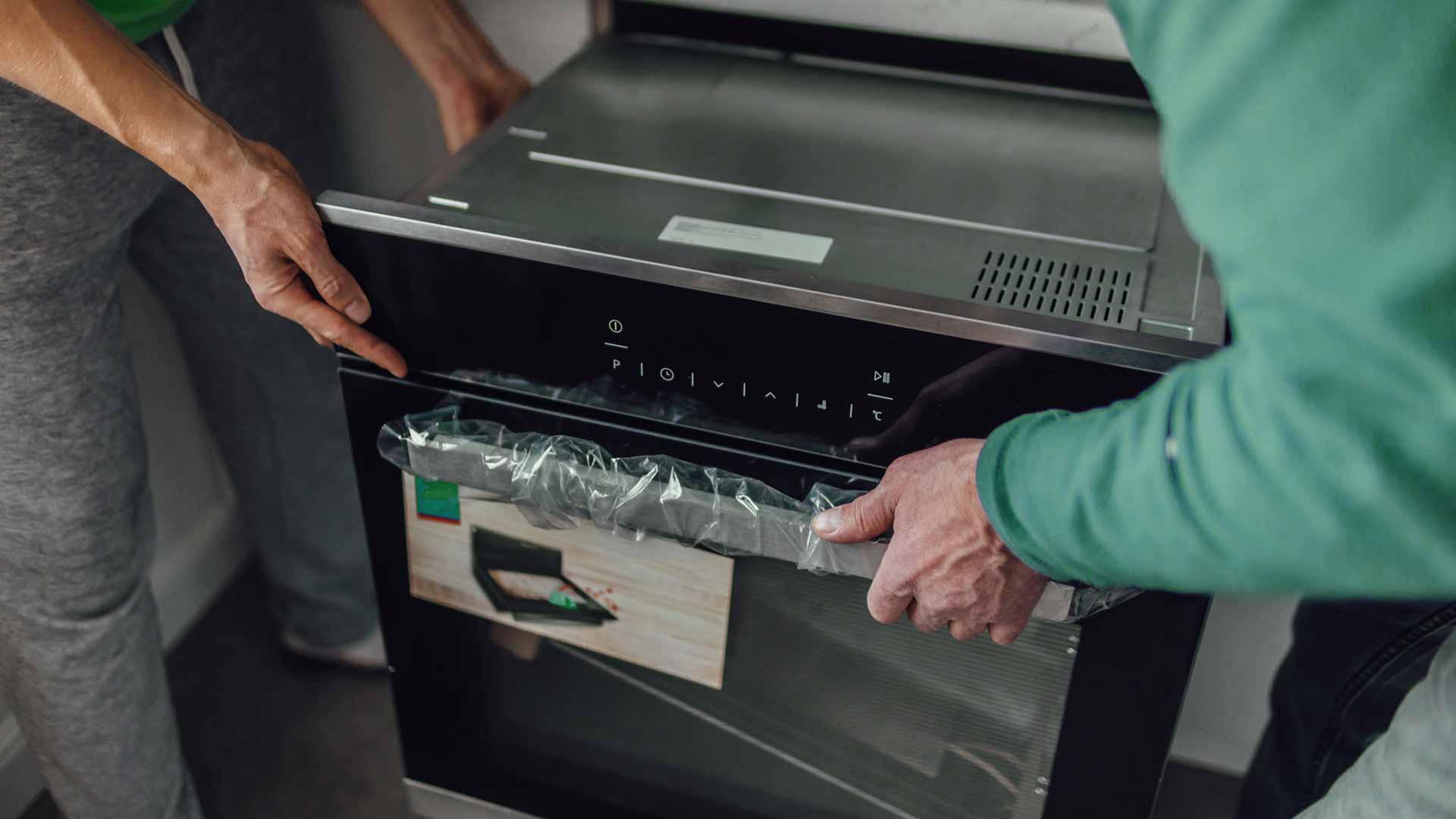
Many modern domestic appliances are much more energy-efficient, so replacing an old fridge or switching your stove for an induction hob will not only save money on your electricity bills, but it will also mean you need less peak power capacity when planning your solar installation.
- Heat pump water heaters use 60% less electricity than standard electric geysers. Solar geysers also reduce power consumption significantly.
- Smart power strips automatically cut power to peripheral devices when the main device is turned off. They can reduce your electricity consumption by up to 10% by eliminating ‘vampire power’ from devices in standby mode.
- Dual-fuel cooking ranges combine a gas cooktop with an electric oven, using up to 30% less energy.
Calculating peak power and battery needs
Before estimating how much it will cost you to install solar, you need to work out how much power your batteries need to store, and what their peak power output must be. These are 2 different concepts – for example, a 200 W fridge draws a steady 200 Watts of power when the motor is running, so it will run for a total of 5 hours (intermittently, because the thermostat turns the motor off whenever the fridge is cold enough) to use 1 kiloWatt-hour (kWh) of electricity. A 1,000 W appliance, in contrast, will use 1 kWh for every hour that it runs.
The key components – and the most expensive ones – are your batteries
However, if a 200 W fridge, a 1,500 W kettle and a 3,000 W geyser are all running at the same time, your batteries and inverter must produce peak output power of at least 3,700 W. Put simply, peak power output determines how many batteries your system will need, and total power consumption determines how often they will need to recharge.
The following are some typical appliance power requirements:
- Fridge − 200 W
- Geyser – 3,000 to 4,000 W
- Stove – 1,500 to 1,800 W per plate
- Oven – 3,500 to 7,000 W
- Iron – 1,200 to 2,200 W
- Kettle – 1,500 W
- Washing machine – 1,500 W
- LED lightbulb − 8 to 20 W
- Incandescent lightbulbs − 50 to 100 W
- Laptop − 80 W
An easier way to track your domestic or business power use is to work out the average monthly kWh consumed according to your electricity bills for the past 12 months. Or get an accredited expert to do an assessment of your power consumption and peak power needs.
Customising your solar solution
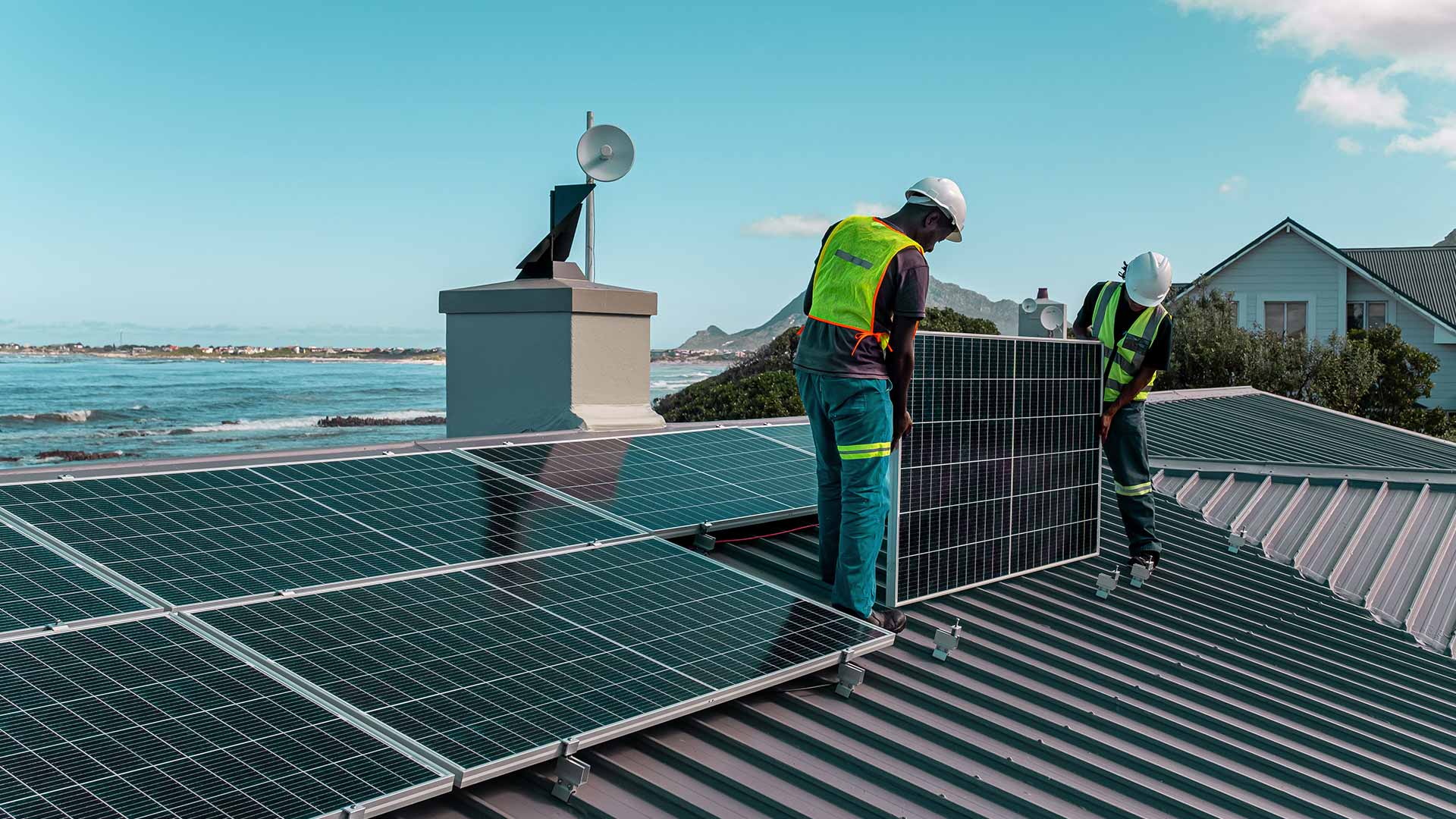
If you’re looking to build up a full solar power system component by component, assessing your power needs gives you an idea of the number of batteries and solar panels to include. You can then plan to build the system in modular stages – starting with emergency back-up for power failures at home or your business.
For this, you need only an inverter connected to enough batteries to run your essential equipment, which you recharge using grid power when it’s available. Although this saves on disruption to your life or your business, it doesn’t bring much in the way of cost savings – you're still paying grid rates for all the power you store and use.
Starting on the path to energy independence just makes financial sense
The next step would be adding solar panels, so that at least some of the power recharging your batteries is free. Over time, you can keep adding panels (and batteries, if necessary) – until you can power the entire property on solar alone, should you need to.
The key components – and the most expensive ones – are your batteries. They must produce enough electricity to meet peak power demand and store enough to power your appliances overnight and on overcast days, until your solar panels can recharge them. Adding a petrol or diesel generator to your system will provide short-term emergency back-up.
Solar installation regulation and benefits
You must register any system producing more than1 kW with Eskom as a small-scale embedded generator (SSEG) if it is connected to the grid. The process takes 2 to 6 weeks and will cost nothing until March 2026. After March 2026, Eskom may introduce registration fees again.
However, there are benefits to registering an SSEG:
- Cape Town, Johannesburg, and eThekwini currently pay you for excess power fed back into the grid. Rates vary from R0.90 to R1.35 per kWh.
- Businesses can claim 100% depreciation on solar installations in the first year. That’s an R84,000 tax saving on a R300,000 system at the 28% corporate rate.
By reorganising your power use and appliances, you can bring down your current electricity costs and plan a solar installation in affordable stages. Get expert advice on the size of the system you need to install, and how you can afford it in stages on your current budget. The solar industry has matured significantly in South Africa, and energy independence is now a realistic option.
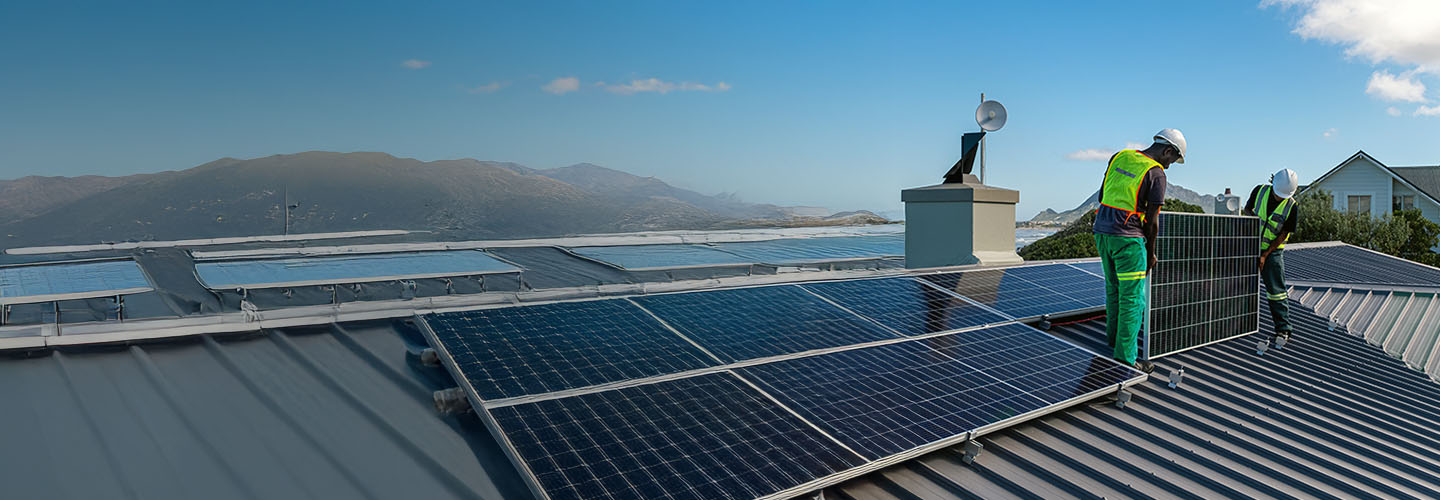
With our Avo Solar packages, Nedbank offers all-in-one solar installation and financing solutions to suit various budgets. From evaluating your power use and planning your peak power requirements, to the cost of components and installation, the Avo Solar team will take care of the process from start to finish. We partner with reputable, accredited solar professionals to ensure your installation includes the regulatory electrical clearance certificate.
Considering how much solar can save in electricity costs over time, starting on the path to energy independence just makes financial sense. Get in touch for an obligation-free quote and get up to 20% off any Avo Solar package, plus up to 10% extra off, if you’re a Greenbacks member.