Will an integrated heat pump geyser save you money?

New water-heating technology can lower your electricity consumption and household costs.
Electricity and water prices keep rising in South Africa. If you're a homeowner, you should be rethinking how you heat your water. Traditional electrical geysers are energy-hungry, prone to heat loss, and responsible for the bulk of household electricity use. Newer technologies, such as solar water heaters and instant gas geysers, offer alternatives. The integrated heat pump (IHP) geyser is another option that became available recently. But will an investment in alternative waterheating technology pay off in the long run?
Solar water heater
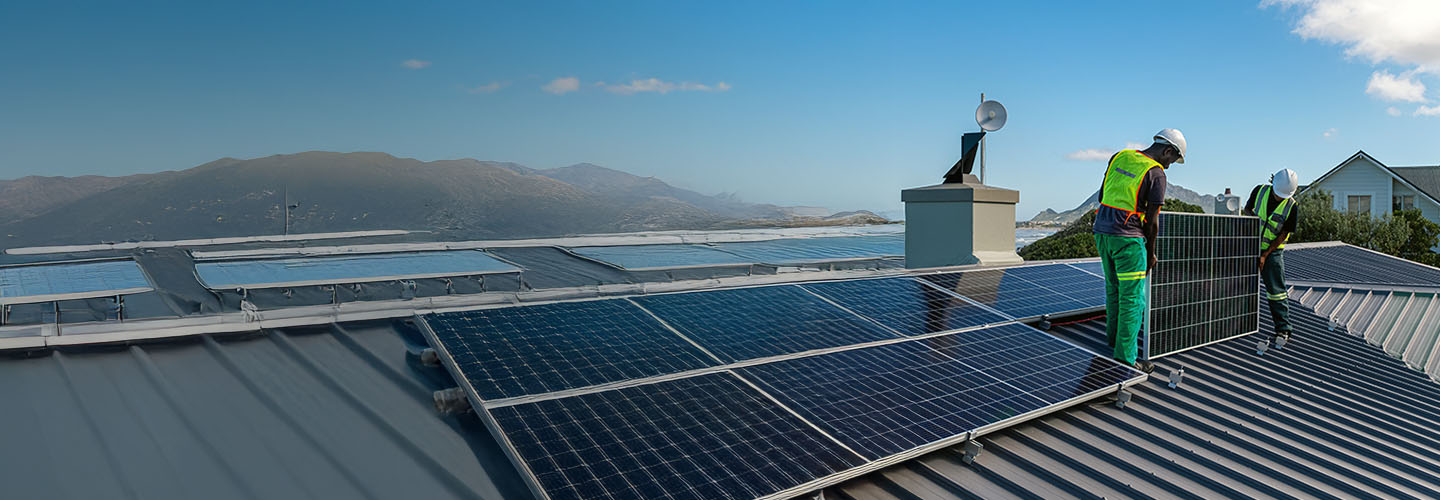
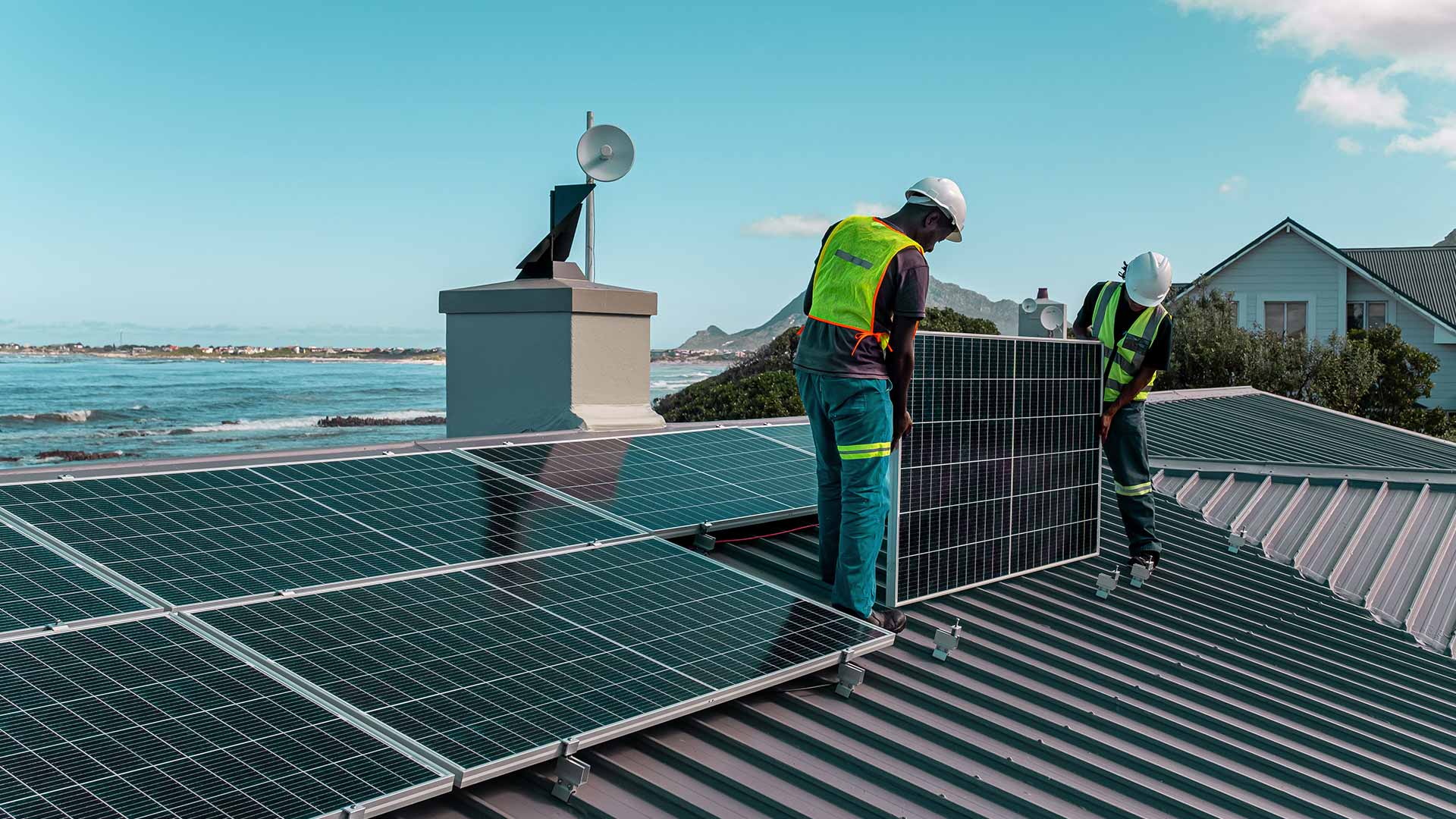
This technology heats water through direct sunlight that is collected and concentrated on the rooftop using black solar panels and pipes. It usually includes a backup electric element or instant electric geyser for cloudy days, and to maintain the geyser temperature at night.
While direct solar systems reduce energy costs significantly, they rely heavily on weather conditions, require roof space, and can run low on stored hot water during periods of high demand.
IHP geysers
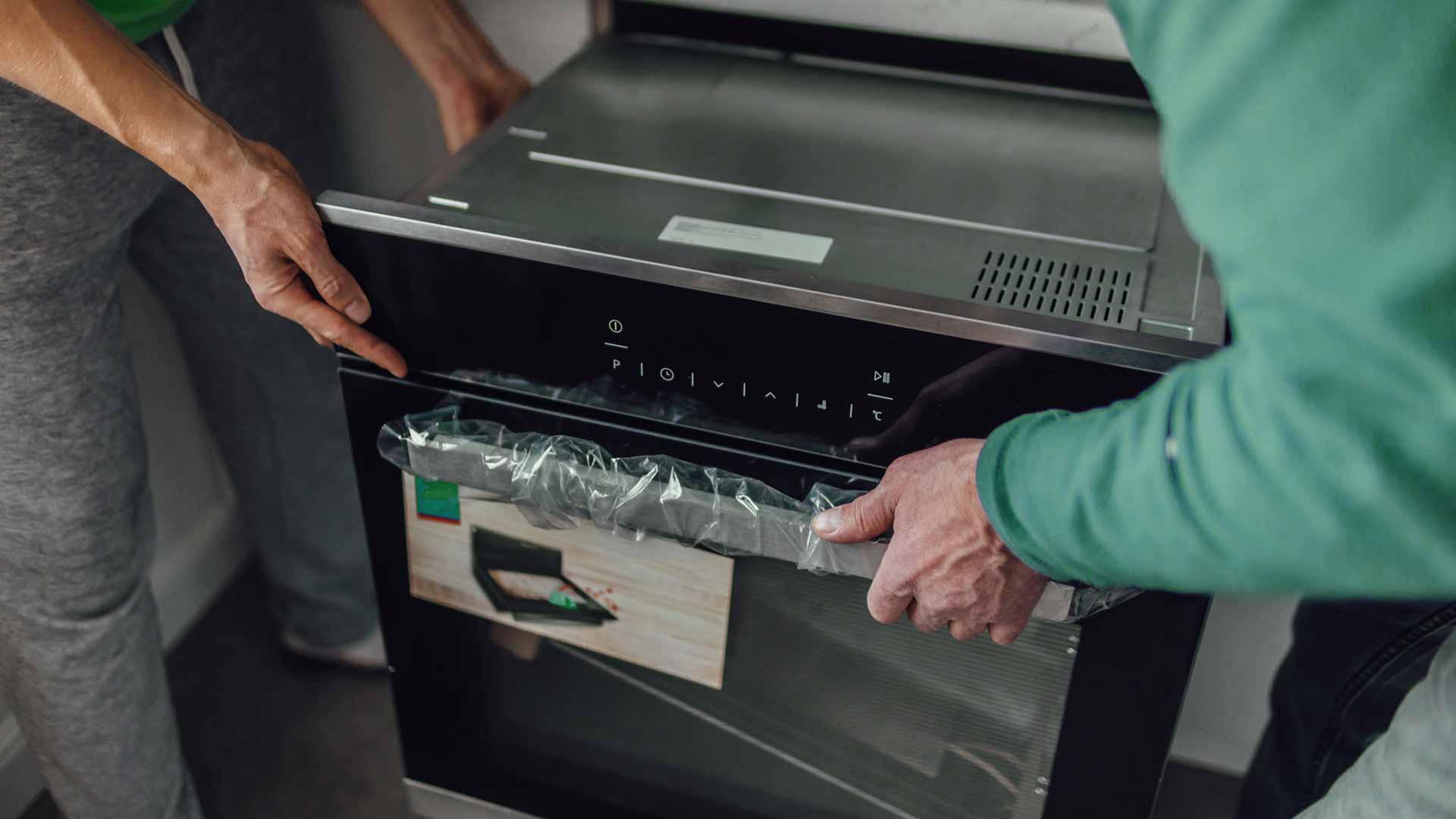
An IHP geyser works like a fridge in reverse. Instead of creating heat through electrical resistance (using an element, as traditional geysers and instant electric water heaters do), it moves heat from the surrounding air into the water using a volatile fluid, compressor, and heat exchanger.
According to local IHP providers Power4Less, the heat pump component draws just 0.6 kW of power while delivering the equivalent heating output of a 3–4 kW conventional geyser, which saves on electricity by up to 85%. Independent testing and long-term household monitoring show that the Power4Less IHP geyser consumes an average of 1.7–1.8 kWh per day, compared to 10–20 kWh per day for a typical electric geyser.
That translates to electricity costs of around R7 a day, R210 a month, or R2,500 – R3,000 a year.
A heat pump geyser typically delivers 3.5–4.1 units of heat for every unit of electricity it uses. Conventional resistance geysers, in contrast, deliver little more than 1 unit of heat for the same power.
Pay for your preferred solution upfront, or finance it – either as part of a solar installation, or as a stand-alone deal
In practical terms, you can expect the following benefits from an IHP:
- No repeated reheating cycles.
- Superior tank insulation that keeps water warm for up to 48 hours.
- Smart scheduling via timers or apps.
- Minimal heat loss during standby.
- Lower peak power needs – if you’re installing an inverter, battery, and solar PV system to make your electricity even more affordable, your peak power needs will affect the cost. The low wattage needed to run an IHP, compared to a resistance geyser, means that your peak power requirement – and the cost of your solar system – will be lower.
These benefits make IHP units true energy saving geysers, comparable to solar and superior to electric geysers for sustained domestic use.
Instant gas geyser
An instant gas geyser heats water on demand using LPG or natural gas. While gas is more cost-effective than electricity, it comes with hidden and rising costs, such as energy-price volatility, cylinder refill or piped-gas fees, and higher maintenance costs.
Current South African estimates place gas water heating costs at R9 – R14 per day for an average household, depending on use and gas prices – so although it's less expensive to install than an IHP, you'll pay around twice as much in ongoing energy costs.
Compare costs with long-term savings on IHP
The IHP geyser is one of the most efficient, future-proof options available today. It saves electricity, reduces emissions, and, according to independent data, pays for itself surprisingly fast. At just under R30,000 (fully installed), it's more expensive upfront than conventional electric geysers. However, because electricity savings often exceed R2,000 a month, many households experience a net-neutral or positive cash flow from the first month after installation. Saving enough on your electricity bill to cover the cost of an IHP in less than 2 years is a healthy return on your investment.
Avo Water can make the transition to an IHP geyser more accessible. We offer:
- monthly payment plans,
- embedded installation, and
- predictable operating costs.
If you want to reduce your total power costs with an IHP, consider one of the Avo Water options that include expert advice and installation from our expert partner, Power4Less. You can pay for your preferred solution upfront, or finance it – either as part of a solar installation, or as a stand-alone deal. And Greenbacks members get up to 10% off!