Solar energy solutions and savings tips for renters

Renting your home? Here’s how solar power can work for you.
With rising electricity costs and a growing move towards sustainable living, many South Africans want to tap into solar energy. But what if you don’t own your home? If you rent a private property, solar is becoming increasingly practical. Whether you’re exploring options for a house or an apartment, there are flexible solar solutions that allow you to benefit from green energy legally, without breaking your lease agreement.
Is solar energy an option for tenants?
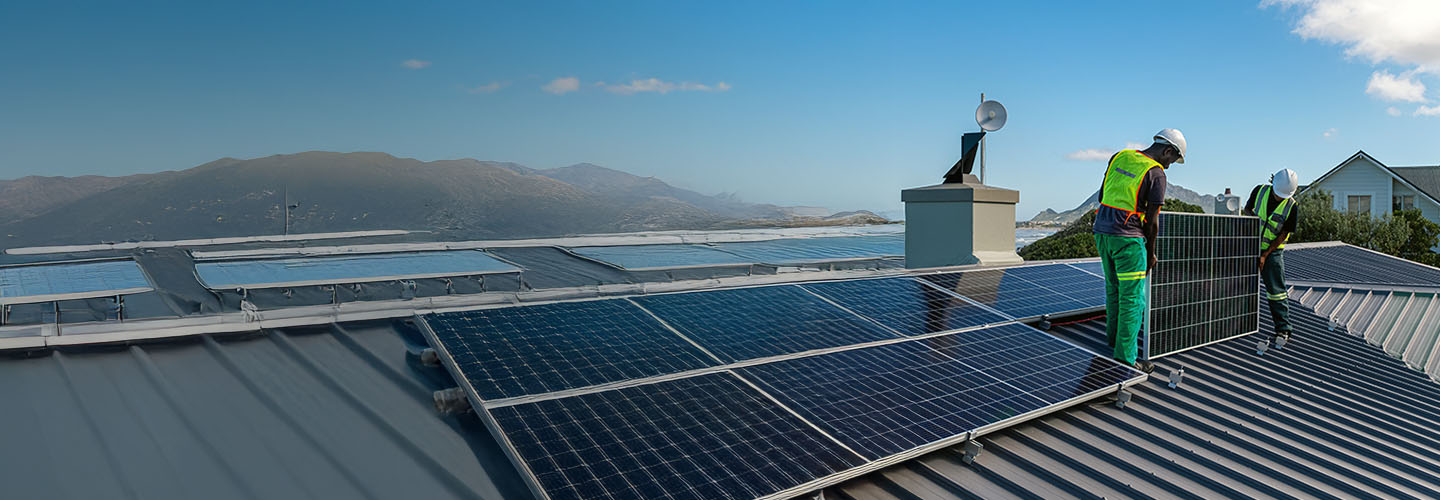
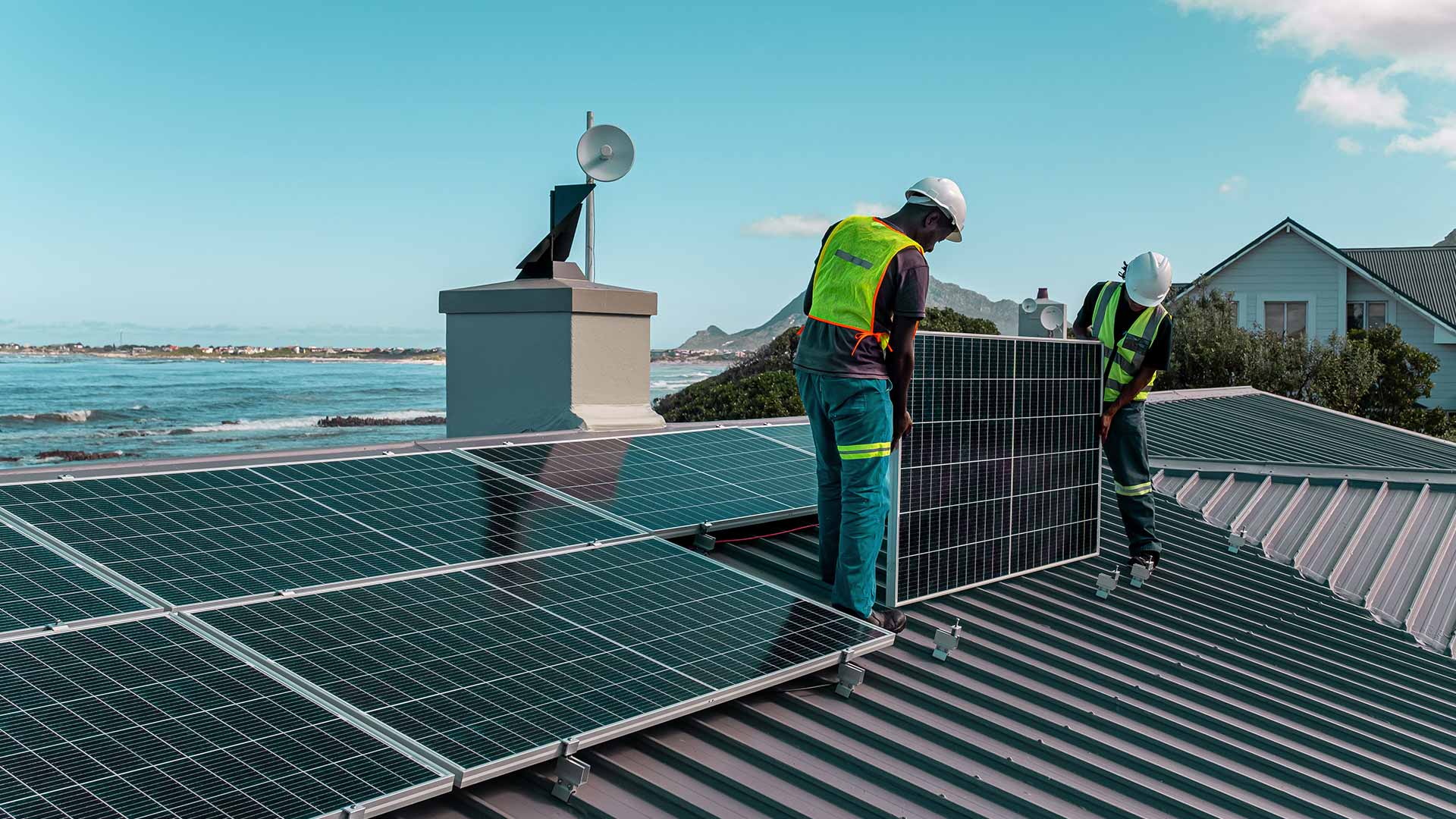
Solar energy can be an option for South African tenants, but it requires the right approach. As a renter, you generally cannot make permanent structural changes – such as installing rooftop solar panels – without written permission from your landlord and an agreement on installation costs and savings. However, that’s not the only way you can enjoy the benefits of clean energy or solar electricity savings.
Many solar-powered technologies today are modular, portable, and designed specifically for tenants. These systems allow you to reduce electricity use, remain compliant with your lease, and still enjoy solar power for home essentials like wifi, lights, laptops, and TVs. If you’re a long-term tenant, you may even be able to convince your landlord to co‑invest in a solar installation with you, as it will cut your costs while adding value to their property.
Top solar solutions for tenants
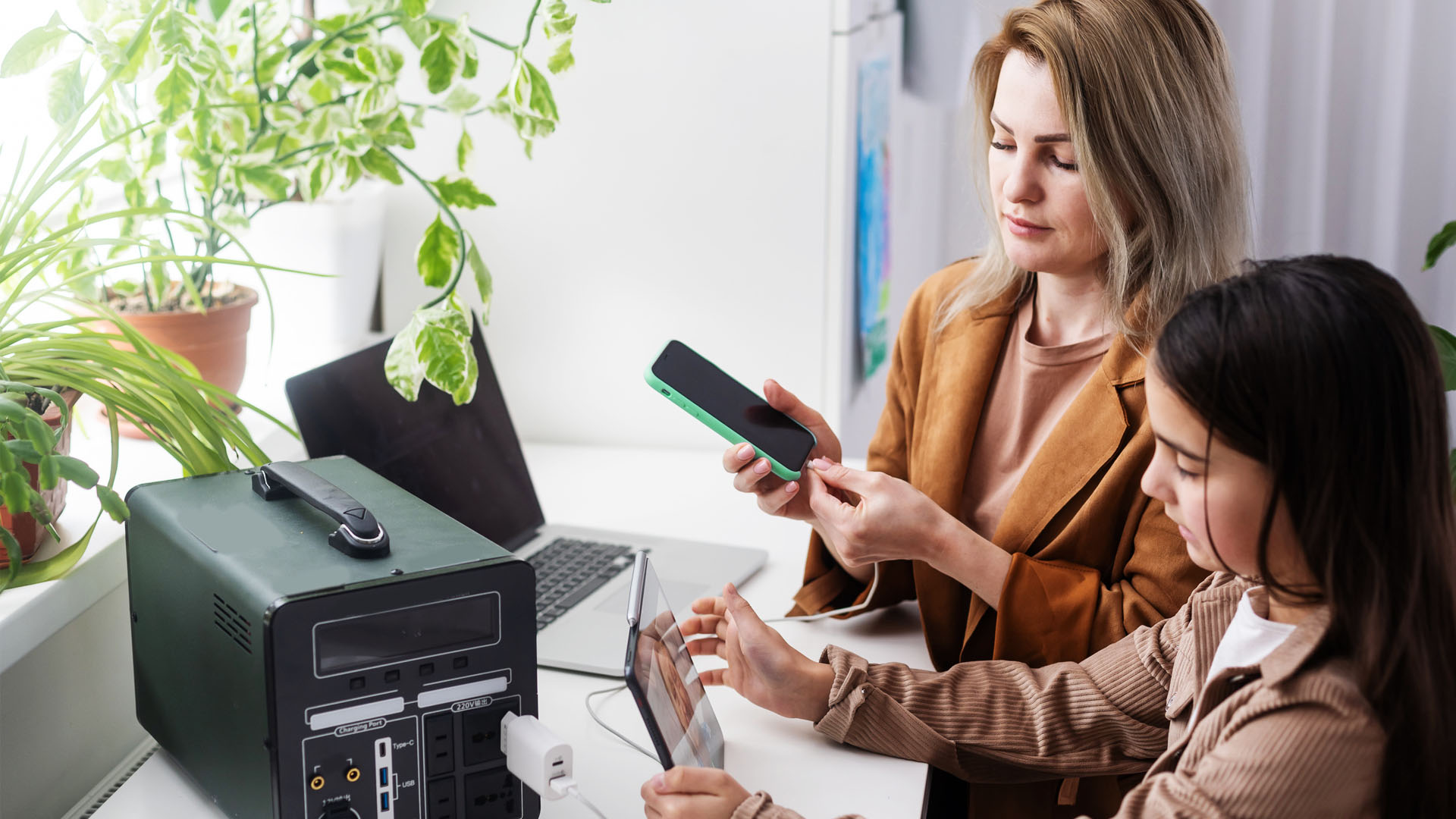
The safest and most popular option for many renters is a non‑permanent solar solution. Portable solar power stations, plug‑and‑play inverters, and solar-powered battery systems are all tenant‑friendly because they don’t need drilling, wiring changes, or roof access. Balcony‑mounted or ground‑standing solar panels can also work in certain rentals, especially if you’re in a north-facing townhouse or garden cottage. These panels feed into portable battery units and offer a viable renewable energy solution for daily use. Importantly, all these systems can move with you, protecting your investment if you ever end the lease.
Some townhouse and apartment complexes are also beginning to explore shared solar installations, especially where energy-saving initiatives are supported by body corporates. This trend supports eco‑friendly home living while increasing property value and reducing your electricity costs as a tenant.
How can you save energy without installing solar?
If your landlord is not open to any form of solar installation, you can still reduce your electricity use and save on monthly bills through smart energy-saving habits. Start with efficient appliances. LED lighting, energy‑efficient kettles, and smart plugs all make a noticeable difference. Heating and cooling are responsible for significant domestic energy use, so insulating windows, dressing for the season, and using timers on appliances like geysers helps reduce your electricity usage.
You can embrace renewable energy, support sustainable living, and reduce your electricity costs
Smart energy-monitoring plugs allow you to track high‑consumption devices. Even without solar panels, reducing reliance on the grid lowers costs and supports clean energy goals. These small changes support sustainable living and can cut your expenses significantly over time.
Talk to your landlord about solar
If you’re a long‑term tenant, it may be worth starting a conversation with your landlord about solar power. Approach the discussion from a value perspective rather than focusing on the personal benefits. You can explain how solar installation can increase the property’s appeal, reduce vacancy periods, and protect against outages. You can also highlight the growing demand for solar-powered homes and green energy features in the rental market.
You could suggest sharing costs, offering a slightly higher rent, or agreeing that the solar system remains with the property after you leave. Landlords are more likely to consider solar solutions when they see long‑term financial and property value benefits, rather than viewing it as a personal request from you as their tenant.
Portable and rent-to-own solar options
For tenants who want reliability without permanence, rent-to-own and portable solar systems are increasingly attractive. Portable systems, as discussed, are ideal for rented apartments and homes because they do not need permanent changes to the structure.
Rent‑to‑own solar structures make solutions more affordable. These models allow users to pay a monthly fee instead of a large upfront cost, making solar power more accessible. While most rent‑to‑own systems are designed for homeowners, some providers offer flexible terms or portable components suitable for tenants.
Solar benefits are no longer reserved only for homeowners. With the right approach, even as a tenant you can embrace renewable energy, support sustainable living, and reduce your electricity costs – all while staying on the right side of your lease.
If you’re a renter who wants to know more about solar power solutions, explore Avo Solar – a one‑stop shop for solar energy systems that offers affordable, portable solar products and flexible Nedbank financing options.