Farm more sustainably: Land Bank’s Agro Energy Fund

Land Bank’s AEF empowers farmers with solar solutions for sustainable electricity
Land Bank’s Agro Energy Fund (AEF), launched in August 2023, has the potential to transform South African agriculture. This pioneering initiative seeks to harness solar energy to empower farmers nationwide, no matter how big or small their farming operations are.
Load-shedding, load rotation and unscheduled grid outages due to faults can shut down energy-intensive operations such as irrigation, mechanised production systems, and farm refrigeration that maintains the cold chain. The AEF aims to reduce the impact of power cuts in the agricultural sector.
If you own a farm, here’s what you need to know about this game-changing opportunity.
Understanding the Agro Energy Fund
The AEF is a partnership between the private sector, Land Bank, the Department of Agriculture and the Department of Land Reform and Rural Development. It was set up to expand access to solar technology by helping farmers fund and install alternative energy sources.
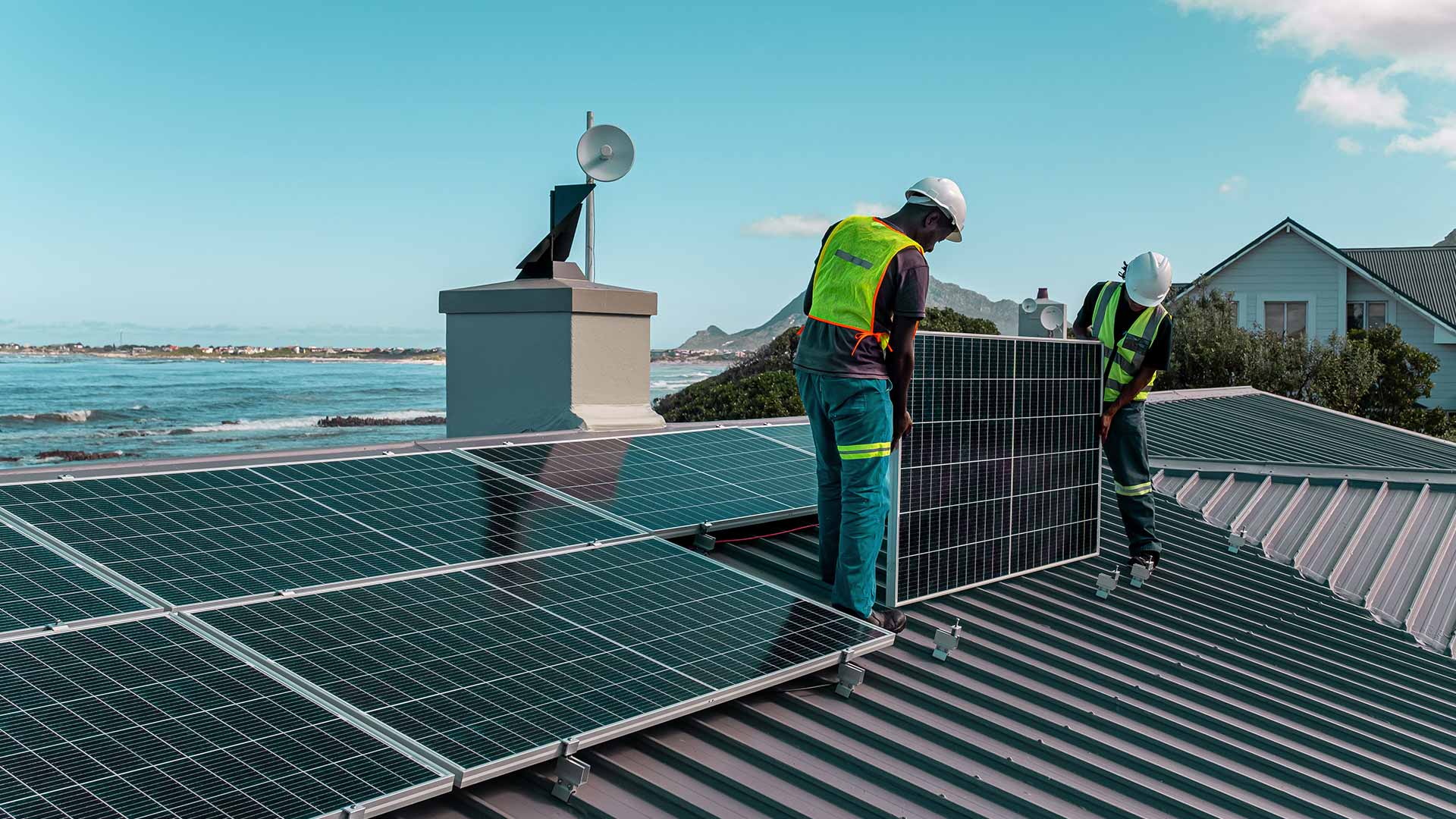
If you’re an eligible farmer, the AEF enables you to invest in sustainable electricity by offering grants to help you kick-start your renewable energy journey. The grants cover the upfront costs of installing solar energy systems on your farm, so you can transition to clean, renewable power sources more affordably.
Solar power benefits for farmers
- A constant supply of electricity will reduce losses caused by interrupted production during grid outages.
- Over time, your investment will pay for itself through the savings on your electricity bill, and by reducing lost production. Plus, your expenses will not be affected by increases in the price of grid electricity.
The AEF adds another dimension to several existing Land Bank financing tools
- In some rural areas, power lines connecting farms to the nearest electricity substation run through rugged terrain that’s difficult to access. Falling trees and other natural hazards on this terrain can cause more frequent power interruptions, and it can take longer for repair teams to trace and fix a fault. On farms in these areas, a self-contained solar power system could be more reliable than a grid connection.
- Switching to sustainable energy sources in place of fossil fuels is important in every economic sector to combat climate change, which poses a particular threat to agriculture all over the world.
- Householders and businesses with solar power systems in the City of Cape Town can already sell excess power to the grid. If government rolls this out nationwide, farmers with surplus solar power will also be able to sell electricity to the grid as an additional revenue stream.
How to apply for an AEF grant
You can apply for a grant from Land Bank’s AEF if you meet certain conditions. These include the type of farming operation, the size of your farm, and the potential impact of the solar energy system on your sustainability and profitability. You’ll also need to demonstrate a commitment to environmental sustainability and responsible farming practices.
How to apply
- Contact a Land Bank representative for more information about the conditions you must meet to be eligible, and how to apply.
- Apply for a grant via Land Bank’s website.
- Once you’ve submitted your application, Land Bank will review it and notify you if you qualify.
Applications are subject to Land Bank’s approval guidelines.
Navigating solar installation
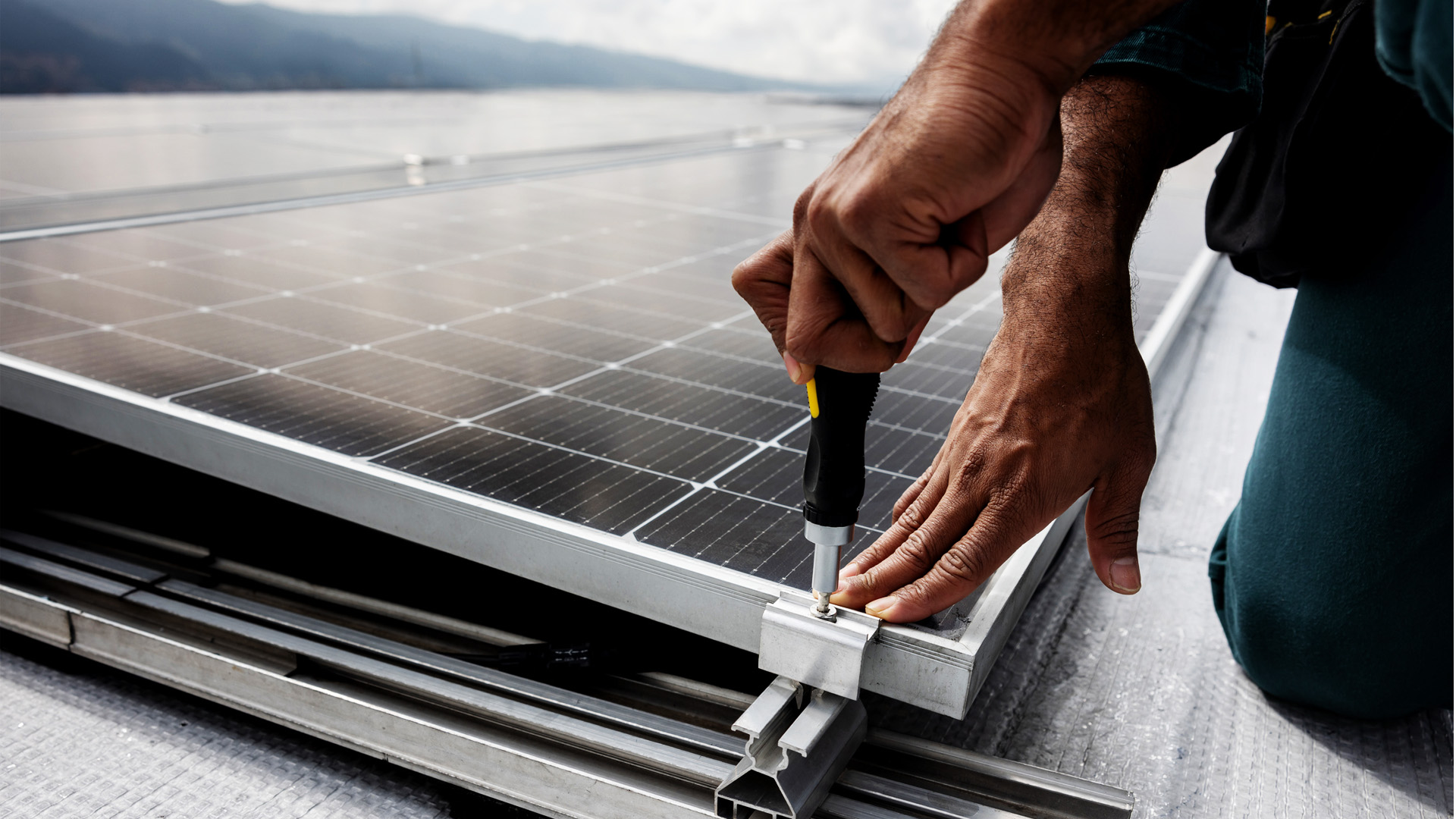
The AEF adds another dimension to several existing Land Bank financing tools designed to support you with production and farming infrastructure. It will also help you navigate solar installation and maintenance with technical support, training programmes, and access to financing options.
Land Bank’s Green Finance offering can also help you fund solar panels, biogas and biomass plants. The aim is to support the installation of energy-efficient projects across the country and reduce reliance on grid electricity.
Land Bank’s AEF gives farmers across South Africa a great opportunity to harness solar energy, paving the way for a brighter, more sustainable future for agriculture and SA’s agribusiness sector.
Learn more about the support that the Department of Agriculture and the Department of Land Reform and Rural Development offer farmers.